Silicon carbide (SiC) is an industrial abrasive, non-oxide ceramic and refractory feedstock. Green and black silicon carbide grains and micropowders are selected according to machining, sintering and composite processes.
Explore grinding wheels, sandpaper, mechanical seals, DPF filters, ceramic membranes, heating elements and insulation. Feedstock origin: China.
Bonded Abrasives & Grinding Wheels
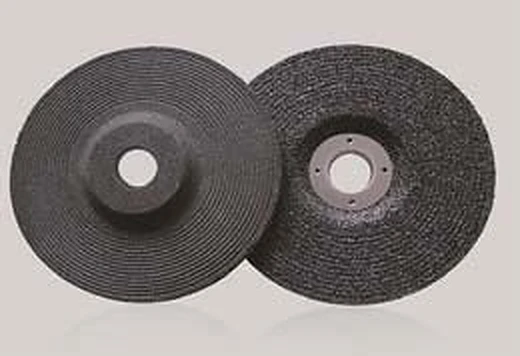
Green and black silicon carbide grains and SiC micropowders act as abrasive particles in grinding and cut-off wheels. Select grit and particle shape for the workpiece and bond system.
Precision Polishing, Lapping & Sandblasting
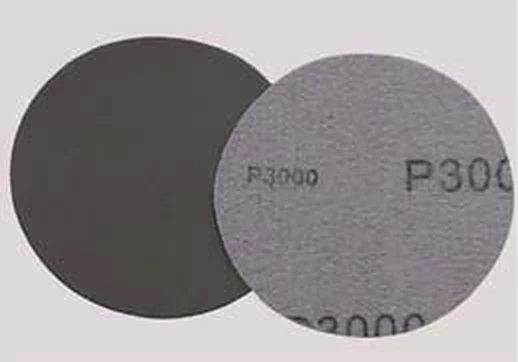
Silicon carbide abrasives are used for lapping, polishing and surface treatment of glass, stone and ceramics. Oversize control and particle size distribution matter for finish quality.
Coated Abrasives — Sanding Belts, Cloths & Papers
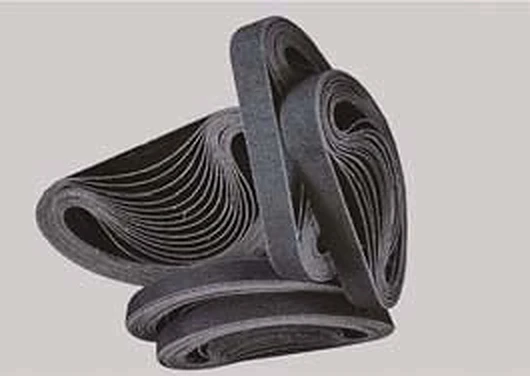
Black SiC P-grits and micropowders are used in sandpaper, waterproof abrasive paper and sanding belts. Match FEPA P grading and surface condition to resin bonding and coating processes.
Precision Technical SiC Ceramics
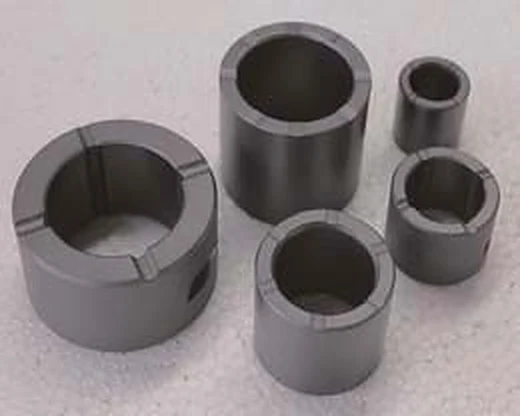
High-purity SiC powder is a sintering feedstock for wear parts and precision technical ceramics. Review purity, size and forming conditions for pressureless or reaction sintering.
Mechanical Seals, Pumps & Valves
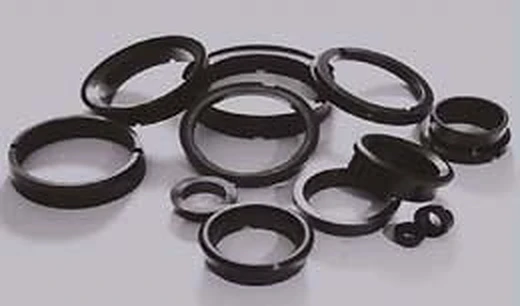
SSiC and RBSiC ceramics serve mechanical seal rings, bearings and valve parts. Their wear resistance and thermal conductivity are useful, subject to fluid, temperature and pressure compatibility.
Reaction-Sintered Ceramics, Desulfurization Nozzles & Burners
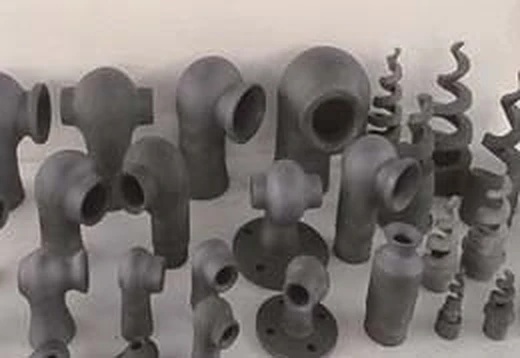
Reaction-bonded silicon carbide (RBSiC) is a candidate for FGD nozzles, burner tubes and heat-exchange parts. Powder blends and forming methods depend on geometry and service conditions.
Silicon Carbide (SiC) Electric Heating Rods & Tubes
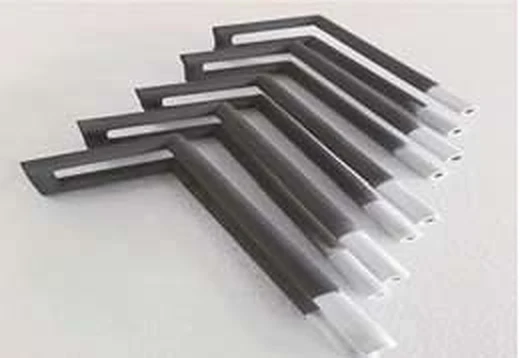
SiC heating elements are rod or tubular electric heaters for sintering and heat-treatment furnaces. Distinguish recrystallization feedstock requirements from finished-heater resistance and atmosphere limits.
Diesel Particulate Filter (DPF) Honeycombs
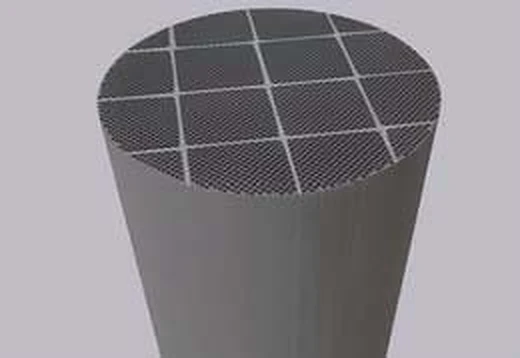
SiC ceramics are used in porous honeycomb diesel particulate filters (DPF). Powder grading, pore structure and sintering affect filtration and thermal-shock behavior during regeneration.
Silicon Carbide (SiC) Ceramic Separation Membranes
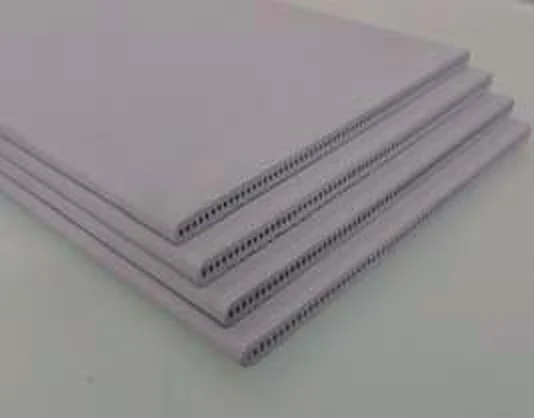
SiC ceramic membranes are considered for process water, wastewater and oil-water separation. Design support and filtration layers separately and check fluid and cleaning compatibility.
SiC Foam Ceramic Molten-Metal Filters
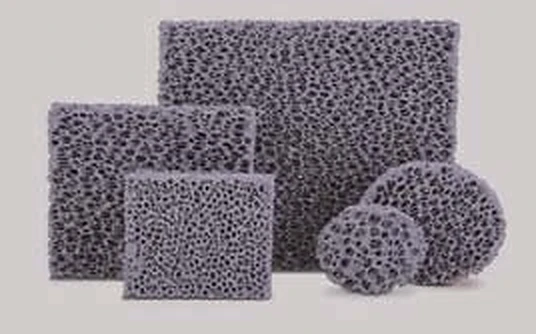
SiC foam ceramic filters remove inclusions in foundry melts. Filter composition and pore specification must match the metal, pouring temperature and flow rate.
Foamed Ceramic Insulation Boards (Foaming Agent)
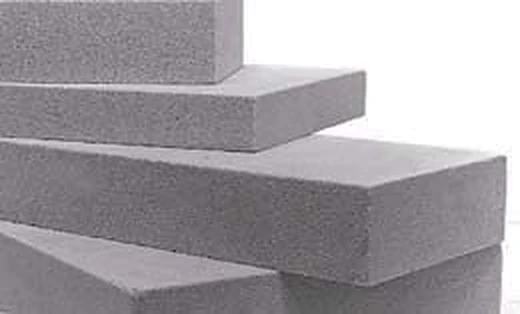
SiC micropowder acts as a foaming agent in ceramic insulation boards. Pore formation during firing depends on the raw-material blend, addition rate and firing atmosphere.
Nano-Porous Thermal Insulation & IR Opacifier
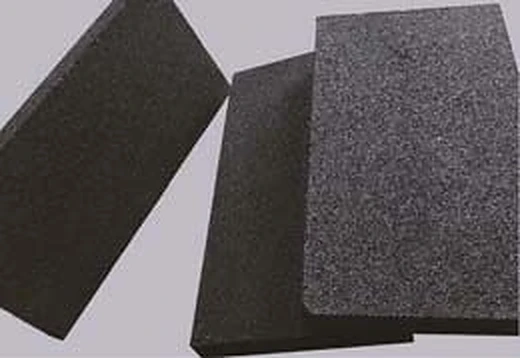
Fine SiC can act as an infrared opacifier in microporous insulation. Distinguish silicon carbide conductivity from composite insulation performance and test the final formulation.
Heat-Resistant Non-Stick Cookware & Wear Coatings
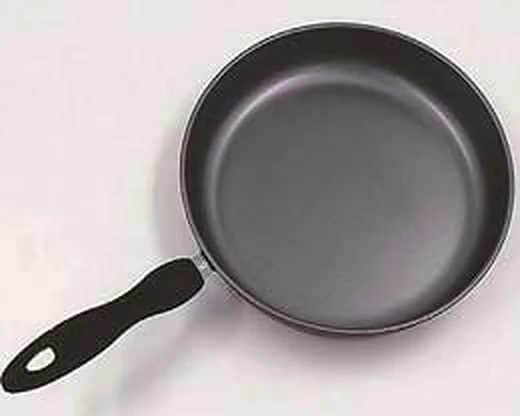
SiC micropowder is considered as a functional filler in non-stick cookware and wear-resistant coatings. Verify dispersion, surface texture and end-use safety and regulatory requirements.
Carbon-Ceramic (C/SiC) Brake Discs & Pads
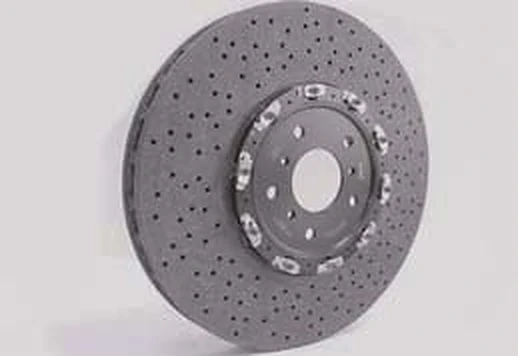
Silicon carbide is used in carbon-ceramic (C/SiC) brakes and friction materials. Feedstock requirements and friction/thermal evaluation depend on the finished composite manufacturing process.
Wear- & Corrosion-Resistant FRP Pipes & Chemical Tanks
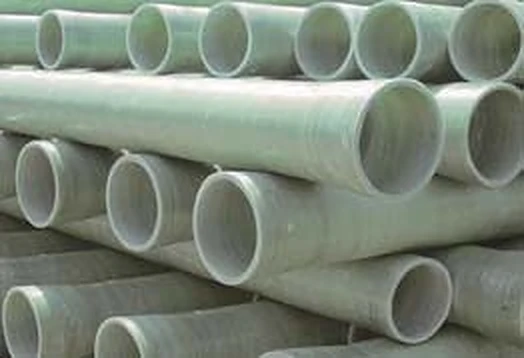
SiC grains and micropowders can reinforce wear resistance in FRP liners for slurry pipes and chemical tanks. Review resin bonding, filler loading and fluid service conditions.
Power Electronics SiC Ceramic Substrates
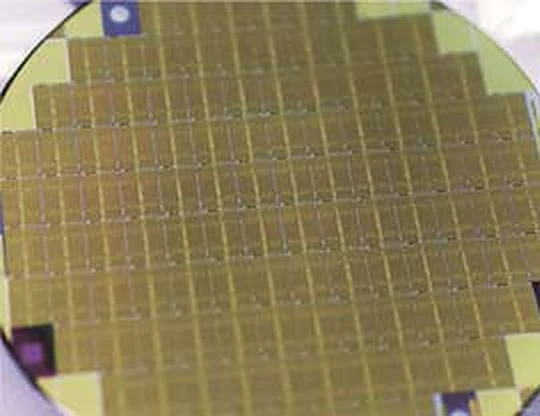
SiC ceramic substrates and electronic structural parts use thermal conductivity and heat resistance. Sintering powder is not single-crystal SiC wafer feedstock; these applications must be evaluated separately.
Photos illustrate applications, not finished-product availability or guaranteed performance. Select feedstock after reviewing purity, particle size, bulk density, binder and sintering conditions, sample tests and COA.